There's an Insect in the Room
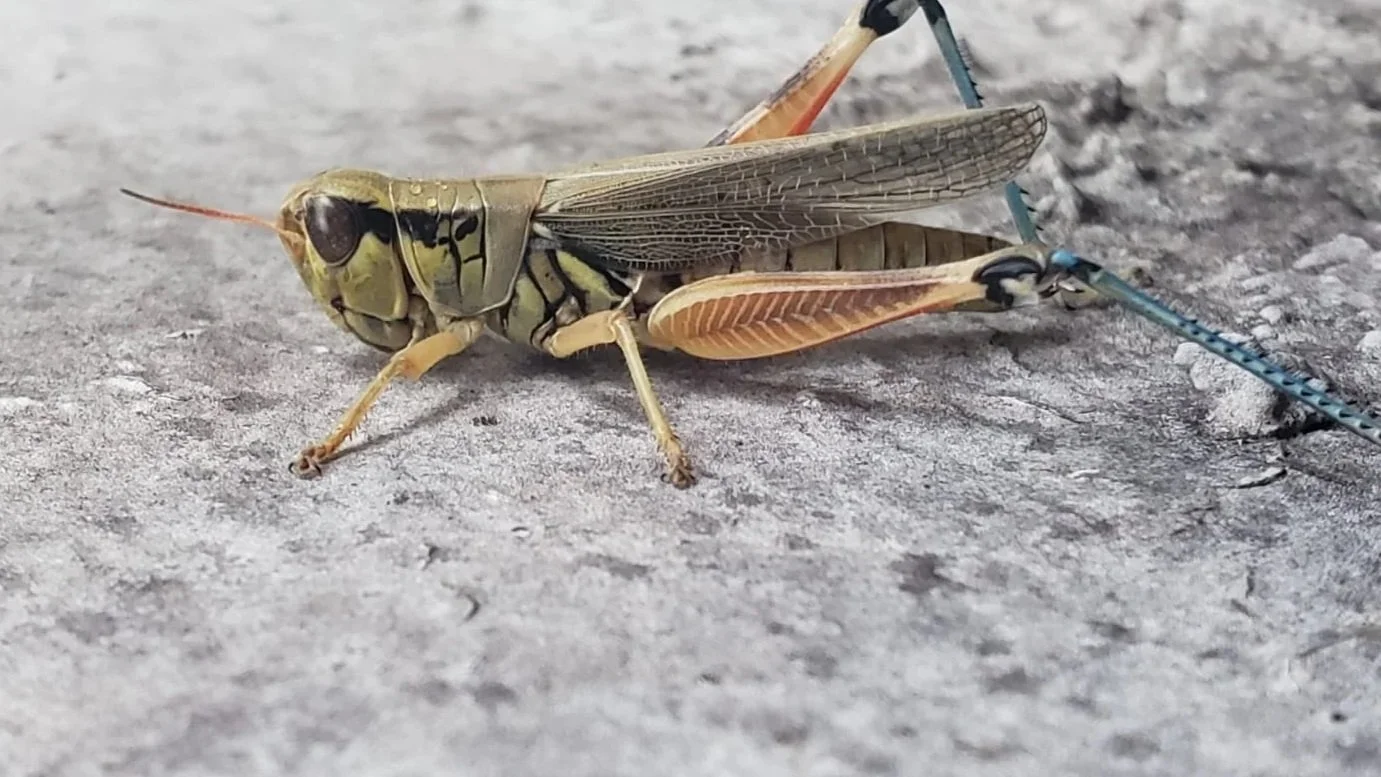
There's a story that starts like this: a man wakes up transformed into a giant insect and his first thought is that he's going to be late for work.
It's not a metaphor. Well, yes it is, but it's also literal. It's right there, on the first page. The body is no longer recognizable, no longer responds, no longer human — and yet the mind goes straight to: the boss, the debt, the schedule. The work identity survives the physical collapse intact.
That was the first thing that resonated with me, back when I first read this story.
The second was the sister.
Nobody in the family sits down to decide who's going to take care of him. She just does it. She brings him food, learns what he likes, cleans without anyone asking her to, endures. For weeks. Months. Until one day she can't anymore, and says so: he's no longer my brother, I can't continue. And she lets go.
The story doesn't judge her. It doesn't absolve her either. It just describes. And in that description fits everything we still haven't resolved: who cares, why, until when, and if anyone will ever acknowledge it.
But what made me most uncomfortable was something else.
While he fades, the rest of the family wakes up. The father, who had been living in a kind of installed defeat for years, goes back to work. The mother learns to move without him. The sister flourishes, literally: at the end there's a scene where the parents look at her and think it's time to find her a good future. One person's tragedy was the condition for everyone else's self-realization. The story doesn't judge that either. It just shows it, with a coldness that hurts more than any moral.
And what I can't stop thinking, after finishing it, is that this story is over a hundred years old.
That if it resonates this much today, if we recognize in it something from our own life or the life of someone we know, it's because something hasn't been resolved. Work that devours before the body gives out. Care work distributed in silence. Those who wake up over someone else's crisis.
Last week I wrote about how fiction warns us and we keep treating it like a homework assignment. Well: The Metamorphosis, by Franz Kafka, 1915.
And here we still are.